
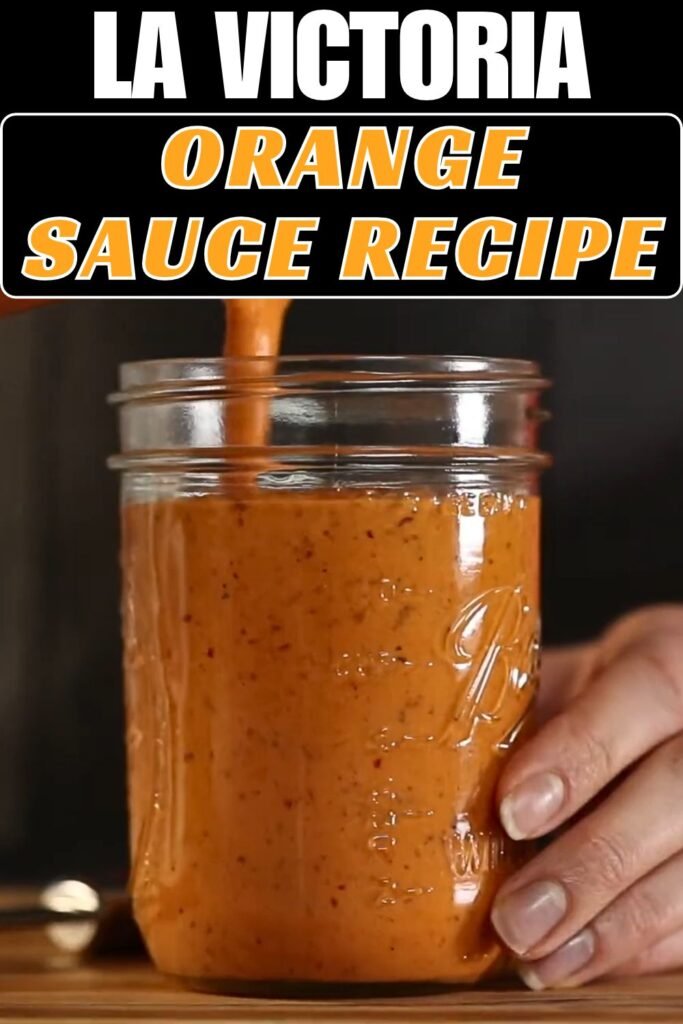
La Victoria Taqueria’s orange sauce has a bold garlic taste, a creamy texture, and a good kick of chile heat. The sauce is known for its bright orange color and rich flavor.
I made my own version at home to get close to that same taste without making things too complicated.
This La Victoria Orange Sauce Recipe has the roasted garlic and chile flavor I look for in a good taco sauce. It blends into a smooth sauce that you can drizzle over tacos, burritos, and other favorite Mexican dishes.
What Creates the Signature Orange Color
La Victoria’s Orange Sauce is made in-house at the restaurants, and bottles go home with customers too. It’s a creamy, spicy, garlicky chile salsa, and the name comes from its color, not from oranges.
In my version, the guajillo and arbol chiles, charred tomato, and blended oil create a similar bright orange shade.
Ingredients for La Victoria Orange Sauce
- Roma Tomatoes – 3 tomatoes – Roma tomatoes add mild sweetness, and a little moisture. Broiling them brings out a deeper, roasted taste and adds dark spots that give the sauce a rich flavor. You can use plum tomatoes in their place. If your tomatoes are very large, use enough to get about the same amount of tomato flesh.
- Garlic – 16 or More Cloves – Garlic gives this sauce its strong, savory taste. Sixteen cloves may seem like a lot, but garlic is a key part of the flavor style. Broiling softens its sharp bite and brings out a sweet, roasted note. For a milder sauce, start with 10 to 12 cloves and add more next time.
- Onion – 1 Whole Onion – One onion adds sweetness and depth to the roasted base. Cut it into large chunks so it is easier to turn under the broiler. A yellow onion works well, but white onion is also fine. Red onion can be used, though it may give the finished sauce a slightly different taste and color.
- Vegetable Oil – 1 Cup – Oil helps the sauce turn smooth and gives it a rich, creamy look. A neutral oil is best because it lets the chile and garlic flavors come through. Canola, sunflower, or another mild vegetable oil can work. Add it slowly while blending so it mixes well instead of sitting in a greasy layer.
- Guajillo Chiles – 2 Whole Chiles – Guajillo chiles bring mild heat, a deep red color, and a warm, earthy taste. They help balance the sharper heat from the chile de árbol. Remove the stems and seeds before toasting. New Mexico dried chiles can be a substitute, though the taste and color may change slightly.
- Chile de Árbol – 1/2 Cup – Chile de árbol gives the sauce much of its sharp heat. Half a cup makes a very spicy batch, so use less if you prefer a gentler sauce. Start with 2 to 4 tablespoons, then increase the amount next time as needed. Dried cayenne chiles can work as a substitute, but the heat may vary.
- Water – 1/2 Cup – Water softens the dried chiles and helps them blend into a smooth base. It also keeps the sauce from becoming too thick before the oil and roasted vegetables are added. Use room-temperature water. Add a little more at the end only if the sauce is too thick to pour or spoon easily.
- Apple Cider Vinegar – 1/3 Cup – Apple cider vinegar adds tang and cuts through the richness of the oil. It also helps balance the roasted garlic and chile flavor. White vinegar is a suitable swap, though its taste is a little sharper. Start with the amount listed, then taste the finished sauce before adding any more.
- Salt – To Taste – Salt brings the flavors together and keeps the sauce from tasting flat.
How to Make La Victoria Orange Sauce at Home
1. Broil the Vegetables
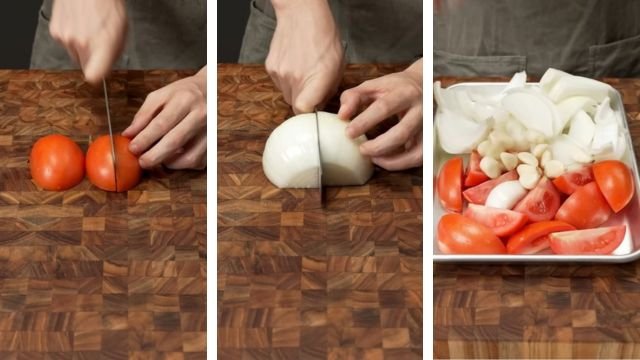
Set your oven to broil. Cut the tomatoes and onion into large chunks, peel the garlic, and place everything on a baking tray.
Broil for about 10 minutes, turning the vegetables halfway through. The tomatoes and onion should have soft centers and charred edges. Watch the garlic closely, as smaller cloves may cook faster. Remove any garlic that browns too quickly.
2. Prepare the Dried Chiles
Remove the stems and seeds from the guajillo and chile de árbol peppers. Wear gloves if you have them, especially when handling chile de árbol, and avoid touching your face.
For a milder sauce, use less chile de árbol. Removing the seeds alone will not reduce all the heat.

3. Toast the Chiles
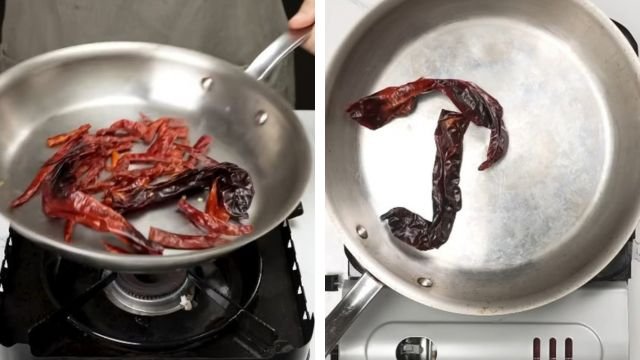
Heat a dry skillet over medium-low heat. Add the chiles and toast them for a short time, turning often until they become fragrant and slightly soft.
Keep a close eye on them. Burnt chiles can give the sauce a bitter taste.
4. Soak the Chiles
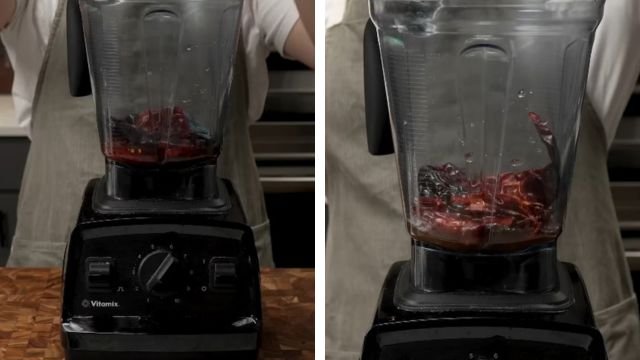
Place the toasted chiles in a blender or heat-safe bowl. Add 1/2 cup of water and 1/3 cup of apple cider vinegar. Let them soak for 10 minutes to soften.
Keep the soaking liquid, as it will help blend the chiles into a smooth sauce.
5. Blend the Chiles and Add the Oil
Blend the chiles with their soaking liquid on high for about 1 minute. Reduce the speed to low and slowly pour in 1 cup of vegetable oil while the blender runs.
Adding the oil in a steady stream helps it blend evenly into the chile mixture.
6. Add the Roasted Vegetables
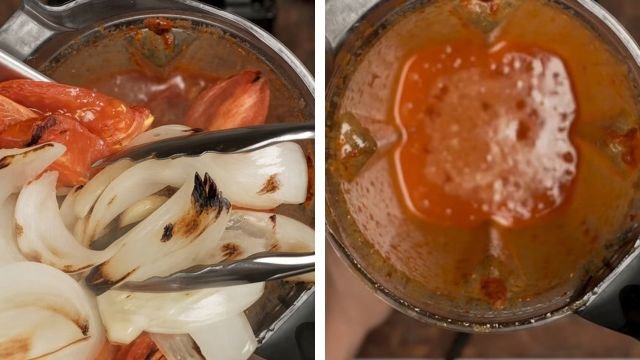
Add the broiled tomatoes, onion, and garlic to the blender. Blend on high until the sauce is smooth and has an even orange-red color.
Stop and scrape down the sides if any pieces stick to the blender jar. Blend again until no large pieces remain.
7. Season and Chill Before Serving
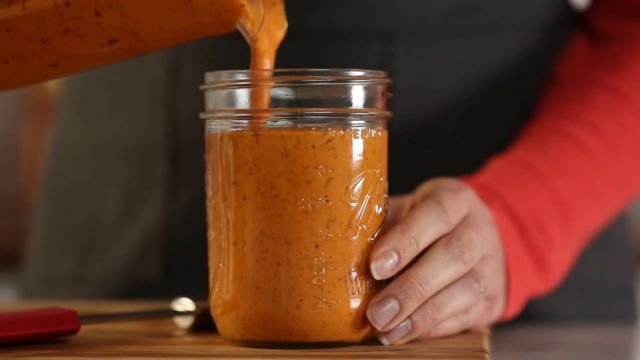
Add salt to taste and blend briefly to mix. Transfer the sauce to a clean, airtight container and refrigerate overnight.
The resting time helps the garlic, chiles, and vinegar flavors blend together. Keep the sauce refrigerated until you’re ready to serve it.
Expert Tips for Perfect Orange Taco Sauce
Small details can affect the final heat, texture, and flavor. These tips help you get a smoother, more balanced sauce.
- Strain for a smoother sauce: Pour the blended sauce through a fine-mesh strainer when you want a very smooth texture. Press with a spoon to push the sauce through.
- Taste after chilling: The flavor can change as the sauce rests overnight. Taste it the next day and adjust the salt or vinegar before serving.
- Let the sauce rest: Refrigerating overnight gives the garlic, chile, and vinegar flavors more time to blend. The flavor may taste sharper right after blending.
How to Use La Victoria Orange Sauce in Your Favorite Meals
Treat this La Victoria Orange Sauce Recipe as a finishing sauce and a dip in one. Spoon it over street tacos, tuck some inside a burrito, or keep a small bowl on the side for dunking. It also works as a spread.
Brush a thin layer on a toasted tortilla, bun, or sandwich bread for a creamy kick. Stir a spoonful into sour cream or mayo for a quick dressing, or mix it into warm beans and rice.
Because the sauce is thick and oil-based, it clings to food well, so a little goes a long way. Start with a small spoonful, taste, and add more.
Store Homemade Orange Sauce
Storage: Keep it in an airtight glass jar in the fridge and use it within 5 to 7 days. Garlic in oil needs the cold, so never leave the jar on the counter. Stir before serving.
Freezing: Freeze it in an ice cube tray, then move the cubes to a freezer bag. They last about 2 months. Thaw overnight in the fridge and give it a quick stir or blend.
Reheating: The sauce tastes best cold or at room temperature. To warm it, stir some into a hot dish at the end, or heat it gently on low. High heat can make it split.
How to Fix Common La Victoria Orange Sauce Problems
Sometimes the sauce may turn out hotter, thinner, or more bitter than you expected. A few small changes can help fix the texture and flavor without wasting the whole batch.
1. Too Spicy – If the sauce is too hot, blend in an extra broiled tomato to soften the chile heat. You can also mix a small amount with sour cream when serving. Next time, use less chile de árbol and keep the guajillo chiles for flavor and color.
2. Tastes Bitter – Burnt garlic or over-toasted chiles can make the sauce bitter. Next time, watch the garlic closely under the broiler and toast the chiles over medium-low heat. A little salt may help balance mild bitterness, but a badly burnt taste is hard to fix.
3. Too Thin – If the sauce is too thin, refrigerate it overnight and check the texture again. If it still needs to be thicker, blend in a little more oil at a slow speed. Add it gradually so the sauce stays smooth and does not become too greasy.
4. Split or Greasy – If oil rises to the top, blend the sauce again on low speed until it comes together. Add a teaspoon of cool water if needed, then blend briefly. Avoid adding too much water, as it can make the sauce runny.
La Victoria Orange Sauce Recipe FAQs
1. Is La Victoria Orange Sauce the Same as Salsa Taquera?
They are similar in style, but the names do not always mean the same thing. Salsa taquera is a general term for salsa served with tacos, and recipes can vary from one cook or restaurant to another.
La Victoria Taqueria’s Orange Sauce is known for its smooth texture, strong garlic flavor, chile heat, and orange color. This homemade version follows a similar flavor idea, but it should not be treated as the restaurant’s confirmed recipe.
2. Can I Make This Orange Sauce Less Spicy Without Losing Its Flavor?
Yes. The easiest change is to use fewer chile de árbol peppers while keeping the guajillo chiles. Guajillos add a mild warmth and red color without the same sharp heat. You can also remove the seeds, although that will not remove all the spice.
Make a small batch with 2 to 4 tablespoons of chile de árbol instead of half a cup. Taste it before deciding to add more, since dried chiles can vary in heat.
3. Why Is My Homemade Orange Sauce Not the Same Color as the Restaurant Version
The shade can change with the type of dried chiles, the ripeness of the tomatoes, and how much the vegetables are roasted. Some batches may look bright orange-red, while others lean toward deep red or rust. The oil also changes how the light reflects off the sauce.
Since the restaurant’s exact formula is not publicly confirmed, an exact color match is not guaranteed. Focus on a smooth texture and a balanced chile, garlic, and vinegar flavor rather than color alone.
4. Is this sauce very spicy?
It has a medium kick, but you control the heat. Half a cup of arbol chiles gives a solid burn. Use less if you want it milder, or add more if you like serious heat. The creamy oil and tomatoes balance things out, so it’s not overwhelming.
5. What Makes La Victoria Orange Sauce Different From Regular Taco Sauce?
Regular taco sauce often has a thinner texture and a tomato-forward taste. This orange sauce has a richer feel from the oil, along with bold garlic, dried chile, and vinegar flavors.
The guajillo chiles help give it a deep red-orange color, while chile de árbol adds heat. The exact restaurant formula is not confirmed, but this homemade version aims to capture those familiar flavor traits.
La Victoria Orange Sauce Recipe
Ingredients
Equipment
Method
- Broil the Vegetables – Cut 3 Roma tomatoes and 1 onion into large chunks. Peel 16 garlic cloves and place everything on a baking tray. Broil for about 10 minutes, turning halfway, until soft with charred edges. Watch the garlic to prevent burning.
- Prepare the Dried Chiles – Remove the stems and seeds from 2 guajillo chiles and 1/2 cup chile de árbol. Wear gloves when handling the chiles and avoid touching your face. Use fewer chile de árbol peppers for a milder sauce.
- Toast the Chiles – Heat a dry skillet over medium-low heat. Toast the prepared chiles, turning often, until fragrant. Avoid burning them, as this can make the sauce bitter.
- Soak the Chiles – Place the toasted chiles in a blender or heat-safe bowl. Add 1/2 cup water and 1/3 cup apple cider vinegar. Let them soak for 10 minutes, keeping all the liquid for blending.
- Blend the Chiles and Add the Oil – Blend the chiles and soaking liquid on high for about 1 minute. Reduce the speed to low and slowly pour in 1 cup vegetable oil until well combined.
- Add the Roasted Vegetables – Add the roasted tomatoes, onion, and garlic to the blender. Blend until smooth and orange-red, scraping down the sides as needed.
- Season and Chill Before Serving – Add salt to taste and blend briefly. Transfer the sauce to a clean, airtight container and refrigerate overnight to let the flavors blend. Keep chilled until serving.