
Yard House bread pudding popped into my head out of nowhere.
I couldn’t remember every detail, but I knew exactly how I wanted the finished dessert to feel. Soft in the middle, lightly golden around the edges, and rich without being too heavy.
After a few rounds in my kitchen, this copycat Yard House Bread Pudding recipe became the version I now make at home.
What to Expect from This Copycat Recipe
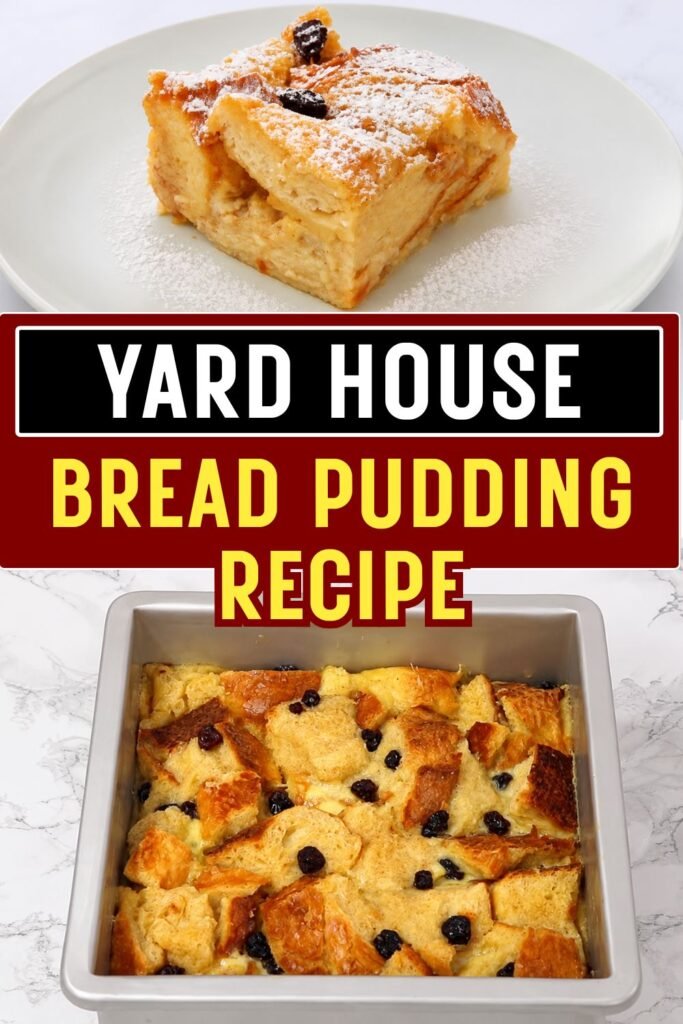
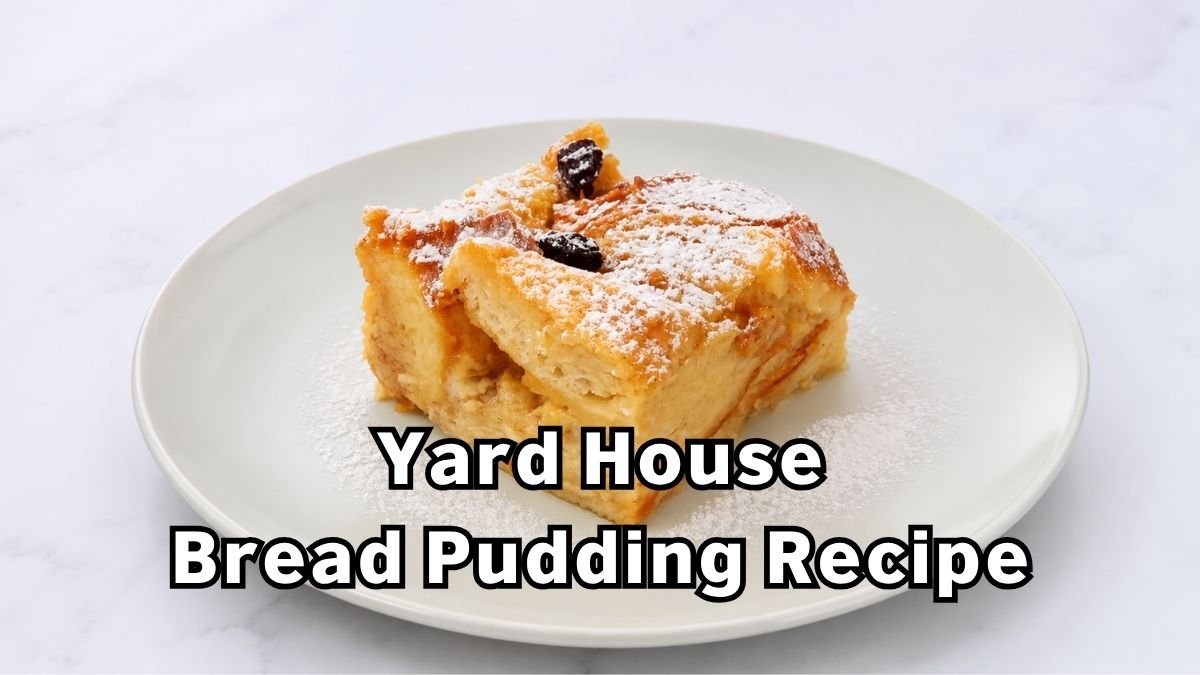
After the bread pudding came out of the oven, the first thing that caught my eye was the golden top. It looked smooth, lightly crisp, and very close to the dessert served at Yard House.
The warm smell of vanilla filled my house and made the whole dessert feel fresh from the oven.
After the first bite, the texture was even better than I expected. The center was soft, creamy, and full of custard, while the edges had a light crisp layer.
The flavor surprised me the most because the sweetness stayed balanced instead of being too sweet. Every bite had creamy vanilla and soft bread.
What Makes This Bread Pudding Taste Like Yard House
- Smooth, Creamy Custard Base – As it bakes, the mixture turns soft and creamy, giving each bite the same comforting texture people expect from the Yard House dessert.
- Bread Makes All the Difference – Soft bread soaks up the custard very well, giving the pudding an even texture from top to bottom. Every piece becomes soft without falling apart, helping the finished dessert stay creamy.
- Gentle Baking Method – Baking at the right temperature helps the custard set slowly. This keeps the inside soft, moist, and creamy without becoming dry or tough.
- Simple Ingredients, Restaurant-Style Results – This recipe uses everyday ingredients. The simple ingredient list works together to create a homemade bread pudding that looks and tastes very close to the one served at Yard House.
How to Choose the Best Bread for Bread Pudding
For this Yard House Bread Pudding Recipe, day-old white loaf bread is the best option. It gives the right balance of softness, structure, and custard absorption for a homemade result.
- Use Slightly Stale Bread – Day-old bread works best because it absorbs the custard better without falling apart. It holds its shape during soaking and creates a soft texture after baking. Fresh bread can become too soft.
- White Bread for Classic Texture – Simple white loaf bread is a great choice for this copycat recipe. It absorbs the milk and egg custard easily, creating a tender pudding with the soft texture expected from classic bread pudding.
- Brioche for a Buttery Result – Brioche can add extra softness and a slightly sweet flavour. Its rich texture works well with the creamy custard and creates a more buttery version of this dessert.
- Avoid Very Fresh Bread – Fresh bread contains too much moisture and may turn mushy after soaking. Slightly dry bread is better because it absorbs the custard while keeping a pleasant texture.
- Avoid Very Hard Bread – Bread that is too dry or hard may need extra soaking time to soften. The best choice is bread that feels slightly dry but is not rock-hard.
Yard House Bread Pudding Ingredients
Bread Base:
- Day-Old Bread (7 heaped cups / 260 g), cut into 1-inch cubes – A loaf-style white bread gives the best texture because it absorbs the custard evenly without falling apart. Brioche or challah can replace it for a softer and slightly sweeter bite.
Custard Base:
- Unsalted Butter (6 tablespoons / 85 g) – Butter adds a smooth texture and gentle buttery flavor to the custard base. Salted butter can also be used. In that case, reduce the added salt to ¼ teaspoon or leave it out.
- Whole Milk (2 cups / 480 g) – Whole milk creates the creamy base of the custard and keeps the pudding soft. Low-fat milk can replace it, but the final texture will be slightly less creamy.
- Heavy Cream (1 cup / 240 g) – Heavy cream gives the custard a smooth finish and a thicker texture. Half-and-half can be used as a lighter option, though the pudding may turn out slightly thinner.
- White Granulated Sugar (⅔ cup / 133 g) – Sugar adds sweetness to the custard and helps create a golden top during baking. Light brown sugar can replace it for a deeper caramel-like sweetness.
- Large Eggs (4), Room Temperature – Eggs help the custard set into a soft and sliceable texture.
- Salt (½ teaspoon) – Salt balances the sweetness and enhances the other flavors in the pudding. Skip the added salt only when using salted butter instead of unsalted butter.
Flavor Additions:
- Vanilla Extract (1 tablespoon) – Vanilla adds a warm and familiar dessert flavor to the custard. Vanilla paste or vanilla bean seeds can replace the extract using the same amount.
- Ground Cinnamon (1 teaspoon) – Cinnamon adds a cozy spice note that pairs well with vanilla and creamy custard. Ground nutmeg can replace it for a slightly different warm flavor.
- Raisins (¼ cup / 41 g), Optional – Raisins add small sweet bites throughout the pudding. They can be replaced with chopped dried cranberries, chocolate chips, or left out completely for a smoother texture.
Making Copycat Yard House Bread Pudding at Home (Step-by-Step)
Follow these simple steps to turn everyday ingredients into a warm, creamy bread pudding with a golden finish.
1. Get Your Oven and Pan Ready
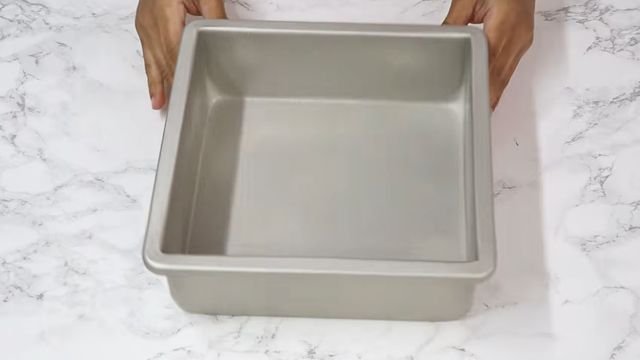
Preheat the oven to 350°F (180°C) and lightly grease an 8×8-inch square baking pan. This step keeps the pudding from sticking once it finishes baking.
2. Cut the Day-Old Bread Into Even Cubes
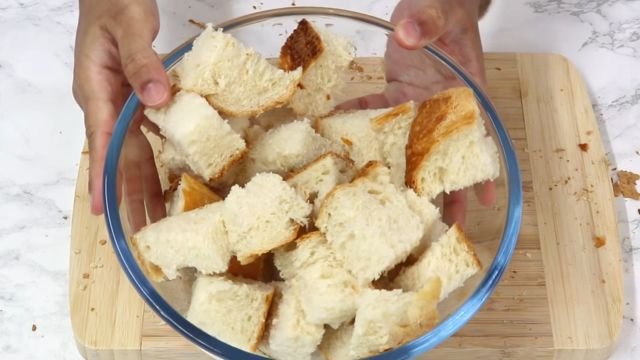
Cut about 7 heaped cups (260 g) of day-old, loaf-style bread into 1-inch cubes. Set the cubed bread aside while the custard gets made.
3. Heat the Butter, Milk, and Cream
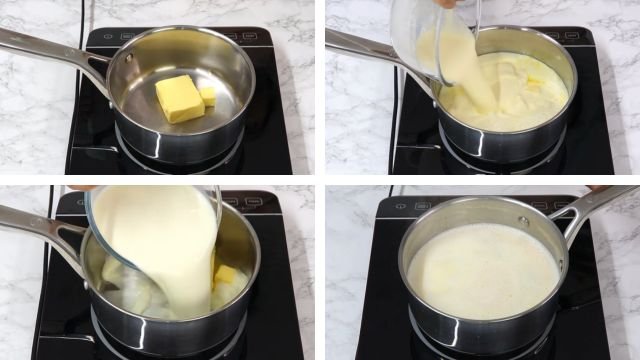
In a saucepan over medium heat, combine 85 g (6 tablespoons) of unsalted butter, 480 g (2 cups) of whole milk, and 240 g (1 cup) of heavy cream.
Heat gently until the mixture starts to simmer, then remove it from the heat and let it cool slightly for a few minutes.
4. Prepare the Sweet and Spiced Egg Custard
In a large bowl, whisk together 4 large room-temperature eggs, 133 g (⅔ cup) of white sugar, ½ teaspoon of salt, 1 tablespoon of vanilla extract, and 1 teaspoon of ground cinnamon until fully combined.
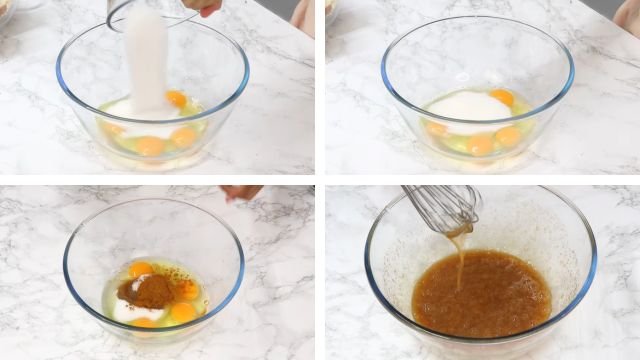
5. Slowly Temper the Eggs With the Warm Cream Mixture
Slowly pour the warm milk mixture into the egg mixture while whisking continuously. Adding the milk gradually keeps the eggs from scrambling and creates a smooth custard base.
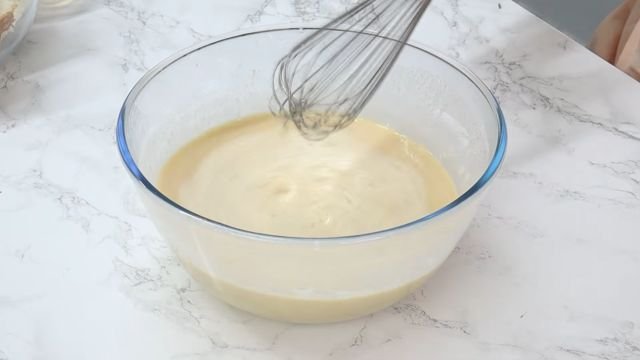
6. Soak the Bread in the Custard
Fold the cubed bread and the optional ¼ cup (41 g) of raisins into the custard mixture. Stir gently until every piece is coated, then let the mixture rest for about 2 minutes so the bread can soak up the custard.
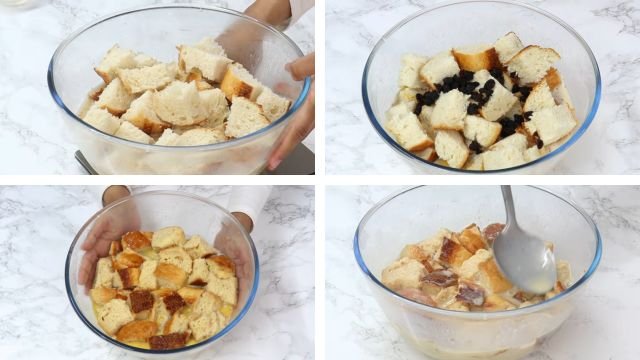
7. Transfer the Mixture to the Pan and Bake
Pour the mixture into the prepared baking pan and spread it into an even layer. Bake for 27 to 30 minutes, until the edges are golden and set while the centre keeps a slight wobble.
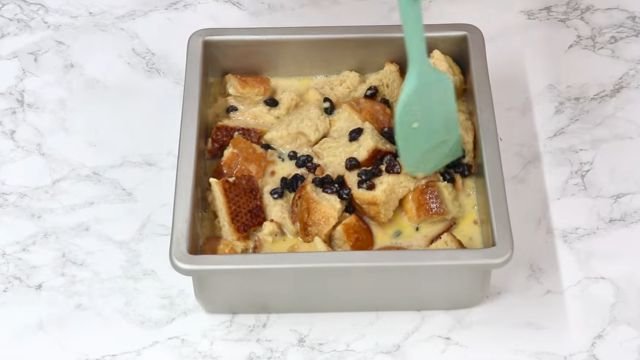
8. Slice, and Serve the Bread Pudding With Toppings
Let the bread pudding cool for about 15 minutes before slicing. Dust the top with powdered sugar and serve warm with ice cream or whipped cream on the side for an extra treat.

Helpful Tips to Know Before Making Bread Pudding
1. Slightly Undercooked Is Better Than Overbaked – Bread pudding continues cooking from its own heat after it comes out of the oven. Removing it at the right time helps keep the center soft, creamy, and moist instead of dry.
2. Bake Until the Center Is Just Set – The middle should have a slight wobble when you check it. A completely firm center may mean the custard has cooked too long, which can make the pudding dry.
3. Vanilla Isn’t Just a Flavor – Vanilla adds a sweet aroma and helps balance the flavors of the eggs, milk, and cream. A good-quality vanilla can make the dessert taste and smell even better.
4. Cut the Bread Evenly – Similar-size bread cubes help the pudding cook evenly. Large pieces may stay dry in the center, while very small pieces can break down too much.
Common Bread Pudding Mistakes and Easy Fixes
Bread Pudding Is Too Wet or the Custard Didn’t Set – A runny or wet center usually means the pudding needs a little more baking time. Return it to the oven for 5 to 10 more minutes, then let it rest before serving. The custard will continue to set as it cools, helping the center become soft and creamy without turning dry.
Bread Pudding Turned Dry – Dry bread pudding often comes from baking too long. Next time, remove it when the center has a slight wobble. Whole milk also helps keep the custard soft and creamy.
Bread Floated Above the Custard – Bread can float when it is not fully soaked. Gently press the bread into the custard before baking so every piece absorbs enough liquid.
Make-Ahead Instructions
Preparing this bread pudding ahead saves time and makes serving easier. You can prepare the bread cubes and custard mixture separately up to 12 hours in advance. Cover both and refrigerate until ready to bake.
When ready to make the pudding, combine the bread and custard mixture and let it soak for 15 minutes so the bread has enough time to absorb the chilled custard evenly.
Pour the mixture into the prepared baking pan and bake as directed, adding a few extra minutes as needed until the top is golden and the center is set.
What to Serve with Yard House Bread Pudding
This bread pudding is easy to pair with simple toppings and drinks. You can keep it classic or add a few extras to change the flavor.
I like serving it warm because the soft custard and golden top taste even better. You can also mix and match toppings to suit your own taste.
Warm caramel sauce is my favorite topping because it melts into the pudding and adds a smooth finish. A scoop of vanilla ice cream is another great choice since it slowly melts over the warm dessert and adds a cool, creamy contrast.
Fresh whipped cream gives each bite a light texture without covering the vanilla flavor. You can also add fresh strawberries, raspberries, or sliced bananas for a fresh touch.
Storage, Freezing, and Reheating Tips
Storage Tips – Let the bread pudding cool completely before storing. Place it in an airtight container or cover the baking dish tightly with plastic wrap or foil.
Store leftovers in the refrigerator for up to 4 days. The texture and flavor are best during the first 2 days, but the pudding can still be enjoyed for up to 4 days when properly refrigerated.
Freeze Bread Pudding – Wrap individual portions tightly in plastic wrap, then place them in a freezer-safe bag or airtight container. Freeze for up to 2 months. Thaw overnight in the refrigerator before reheating for the best texture.
Reheating Tips –
- Oven Reheating – Preheat the oven to 325°F (163°C). Place the bread pudding in an oven-safe dish and cover it loosely with foil. Heat for 10 to 15 minutes, or until warmed through. This method keeps the center soft and the edges lightly crisp.
- Microwave Reheating – Place one serving on a microwave-safe plate. Heat on 50% power for 30 seconds, then continue in 15-second intervals until warm. Heating gently helps keep the custard smooth instead of drying it out.
- Air Fryer Reheating – Preheat the air fryer to 320°F (160°C). Place the bread pudding in a small oven-safe dish that fits inside the air fryer. Heat for 4 to 6 minutes, or until warmed through. This method lightly crisps the top while keeping the center soft and creamy.
Frequently Asked Questions About Yard House Bread Pudding Recipe
1. Can I prepare this bread pudding without raisins?
Yes, raisins are completely optional. The recipe still has great flavor without them. You can leave them out or replace them with chocolate chips, chopped nuts, or dried fruit based on your preference.
2. Should bread pudding be covered while baking?
This recipe does not need to be covered during baking. Leaving it uncovered helps the edges turn lightly golden. Cover the top loosely with foil during reheating to help prevent the pudding from drying out.
3. Can leftovers be reheated more than once?
It’s best to reheat only the portion needed at one time. Reheating the same leftovers multiple times can dry out the custard and reduce the overall texture and flavor quality noticeably.
4. Why does my bread have a rubbery texture?
Rubbery texture comes from overmixing the custard or using too much egg. Mix gently until combined and use the right amount of eggs as listed.
5. Can I add other mix-ins to this recipe?
You can add chocolate chips, nuts, or dried fruit. Just do not add too much or the pudding will not set properly. Keep extra mix-ins to about 1/2 cup total.

Yard House Bread Pudding Recipe
Ingredients
Equipment
Method
- Preheat the oven to 350°F (180°C). Lightly grease an 8×8-inch square baking pan so the bread pudding does not stick while baking.
- Cut about 7 heaped cups (260 g) of day-old, loaf-style bread into 1-inch cubes. Set the bread aside while you prepare the custard mixture.
- Add 85 g (6 tablespoons) of unsalted butter, 480 g (2 cups) of whole milk, and 240 g (1 cup) of heavy cream to a saucepan. Heat over medium heat until the mixture starts to simmer, then remove from the heat and cool for a few minutes.
- In a large bowl, whisk together 4 large room-temperature eggs, 133 g (⅔ cup) of white sugar, ½ teaspoon of salt, 1 tablespoon of vanilla extract, and 1 teaspoon of ground cinnamon until smooth and well combined.
- Gradually pour the warm milk mixture into the egg mixture while whisking constantly. This helps prevent the eggs from scrambling and gives you a smooth, creamy custard.
- Add the cubed bread and optional ¼ cup (41 g) of raisins to the custard. Stir gently until the bread is well coated, then let it sit for about 2 minutes to absorb the custard.
- Pour the soaked bread mixture into the prepared baking pan and spread it into an even layer. Bake for 27 to 30 minutes, until the edges are golden and set while the centre still has a slight wobble.
- Let the bread pudding cool for about 15 minutes before slicing. Dust the top with powdered sugar and serve warm with a scoop of ice cream or a spoonful of whipped cream.