
A good dressing can change a simple salad, and this CAVA-style Tahini Caesar Dressing is one I like to keep in the mix. It has a creamy sesame base with fresh lemon, garlic, parsley, basil, and cilantro.
The lemon keeps the flavor bright, while the herbs give the dressing a fresh finish and the garlic adds a little bite.
The CAVA Tahini Caesar Dressing Recipe (Easy Copycat) uses simple ingredients and comes together quickly, so it works well with many different dishes. A little water is all you need to adjust the consistency to your liking.
The result is creamy, fresh, and savory without making the rest of the meal feel covered up.
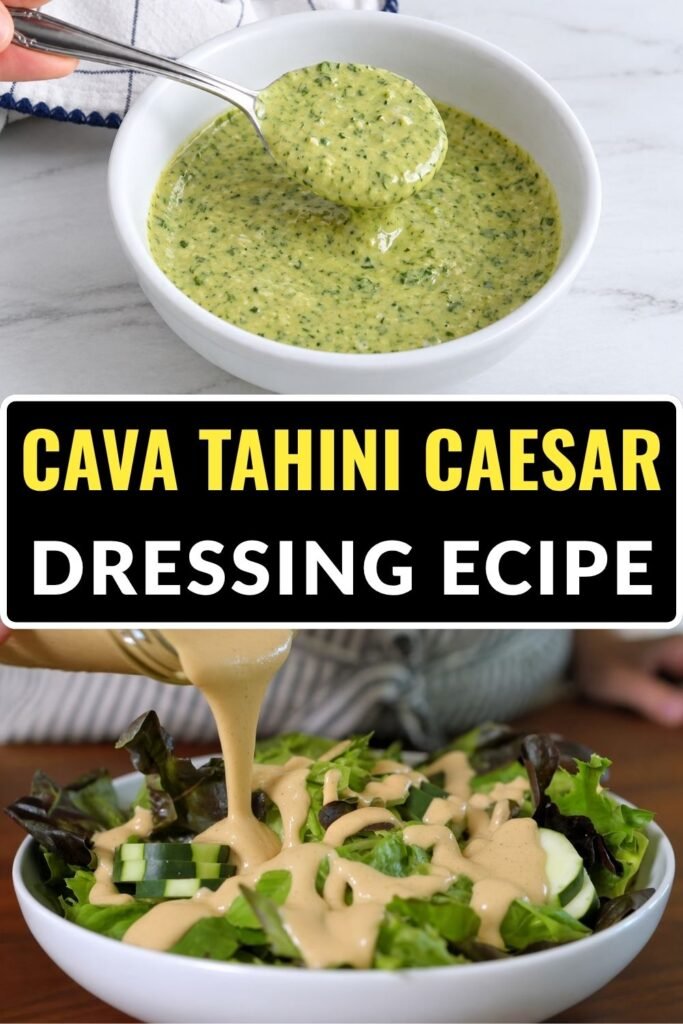
The Copycat Dressing That Changes a Salad
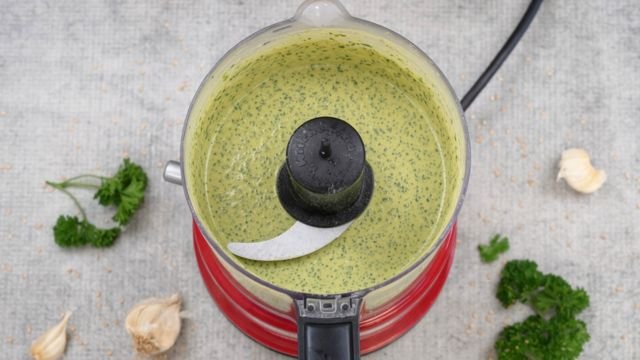
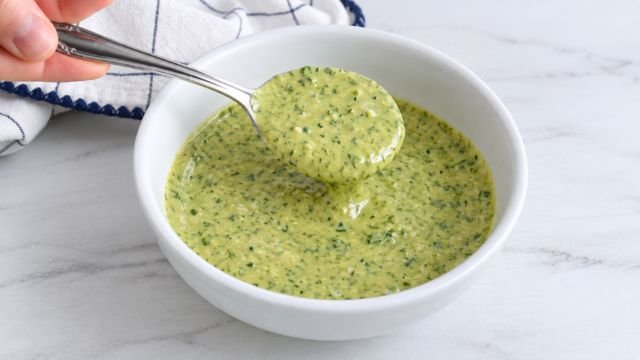
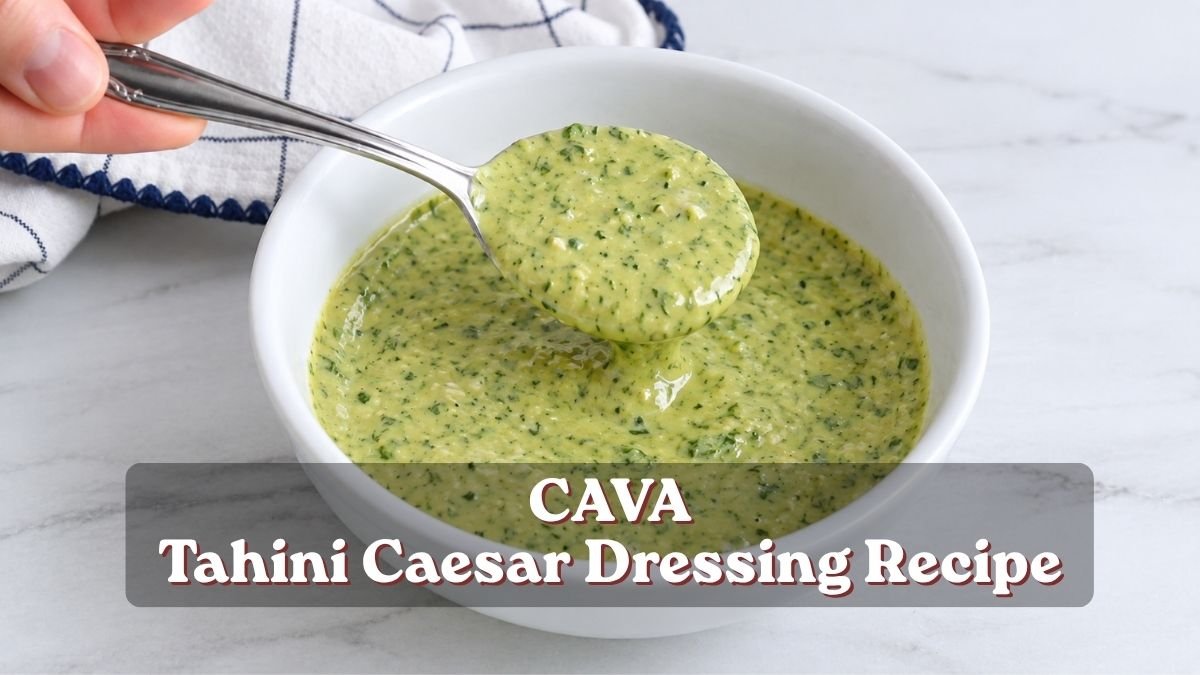
The color is one of the first things I notice once everything is blended. It turns into a soft, pale green with tiny flecks of fresh herbs running through it. The texture is creamy but still loose enough to coat a spoon without looking too thick.
The flavor comes in layers. First, there is the fresh lemon and herbs, followed by the nutty sesame taste from the tahini. Garlic adds a mild savory bite in the background, while the olive oil gives the dressing a smooth finish.
When I taste it straight from the processor, the fresh herbs are easy to notice, but they do not overpower the sesame and lemon.
What I like most is how the dressing feels on a salad. It clings lightly to the greens instead of sitting in a thick layer, and each bite gets a little of the lemon, herbs, garlic, and tahini.
That balance makes a simple salad feel much more complete without needing a complicated dressing.
Pick the Right Tahini for This Recipe
Not every jar of tahini gives the same result in this dressing. When I pick one for this recipe, I look at the sesame flavor, the consistency, and the ingredient list first.
These details can change the dressing from mild and light to deeper and more nutty, so choosing the right type helps you get closer to the flavor and texture you want.
1. Raw Tahini vs. Roasted Tahini – Raw tahini is made from sesame seeds without roasting, so it has a lighter color and a more delicate sesame flavor.
Roasted tahini has a darker color and a stronger toasted taste. For this dressing, either option works, but the choice depends on how noticeable you want the sesame flavor to be.
2. Thick Tahini vs. Runny Tahini – Tahini can range from very thick to naturally runny. A runny texture makes mixing easier and gives you a good starting point for a pourable dressing.
Thick tahini can still work well, but it may need more stirring before use and careful water adjustment during blending.
3. Single-Ingredient Tahini vs. Blended Tahini – Check the ingredient list before buying. Tahini made only with sesame seeds keeps the flavor simple and predictable.
Some blended versions contain added oil or other ingredients, which can change the consistency of the dressing. For this recipe, a plain sesame-based tahini gives you more control over the final result.
CAVA Tahini Caesar Dressing Ingredients
When I make this dressing, I pay attention to the fresh ingredients first. The herbs, lemon, garlic, and tahini each change the flavor in a noticeable way, so using them in the right amounts helps keep the dressing fresh, creamy, and balanced.
- Garlic – 1 to 2 cloves: Fresh garlic gives the dressing a savory bite. One clove gives a softer garlic taste, while two make it stronger. Peel the cloves before adding them to the food processor.
- Fresh parsley – ¼ cup, tightly packed and rinsed: Parsley adds a fresh green flavor and helps give the dressing its bright herb taste. Pack the leaves into the measuring cup so you get the right amount.
- Fresh basil leaves – ¼ cup, tightly packed and rinsed: Basil adds a mild, fresh flavor that works well with the lemon and tahini. Fresh leaves are best here because dried basil will not give the same texture or fresh taste.
- Cilantro – ¼ cup, tightly packed and rinsed: Cilantro adds another fresh herb note and gives the dressing more depth. Rinse it well and pack the leaves into the measuring cup before adding them.
- Salt – ¼ teaspoon, or to taste: Salt helps bring the lemon, herbs, garlic, and tahini together. Start with the listed amount and taste near the end before adding more.
- Fresh lemon juice – ¼ cup: Lemon juice gives the dressing its bright, tangy flavor. Freshly squeezed juice works best for this recipe and keeps the flavor clean.
- Lemon zest – 2 teaspoons, about 1 large lemon: Zest adds a strong lemon aroma without adding more liquid. Use the yellow outer peel and avoid the white part underneath, which can taste bitter.
- Extra virgin olive oil – 2 tablespoons: Olive oil adds a smooth texture and helps round out the sharp lemon and garlic flavors. Extra virgin olive oil works well because only a small amount is needed.
- Tahini paste – ½ cup: Tahini creates the creamy base of the dressing.
- Cold water – 2 to 4 tablespoons: Water controls the final thickness. Start with 2 tablespoons, then add more a little at a time until the dressing reaches the texture you want.
Ingredient Notes and Simple Adjustments
A few ingredients can be adjusted based on the flavor and texture you want. These changes keep the dressing close to the original recipe without adding unnecessary ingredients.
- Garlic: Use 1 clove for a milder garlic flavor or 2 cloves for a stronger bite.
- Tahini: Choose plain tahini made with sesame seeds. If the tahini is very thick, stir it well before measuring so the dressing starts with an even texture.
- Lemon: Fresh lemon juice gives the cleanest flavor. If you use bottled lemon juice, start with a little less and add more after tasting.
- Olive oil: Extra virgin olive oil works well here, but a mild olive oil can be used if you want less olive flavor.
- Water: Start with 2 tablespoons and add more only when needed. Use less for a thicker dip or more for a thinner dressing.
- Fresh herbs: Keep the parsley, basil, and cilantro fresh for the best flavor and texture. Dried herbs are not a good swap because they will not blend into the dressing in the same way.
How To Make CAVA Tahini Caesar Dressing at Home
The dressing comes together in a few simple steps. Keep the water for the end so you can control the final texture.
1. Chop the Garlic, Herbs, and Lemon
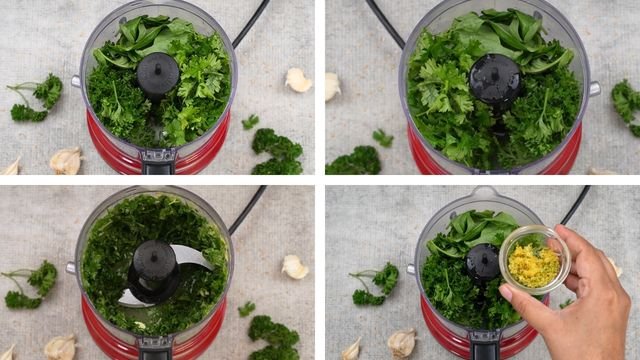
Add the garlic, parsley, basil, cilantro, salt, lemon juice, and lemon zest to a mini food processor. Pulse until the herbs and garlic are roughly chopped, scraping down the sides as needed.
For a smoother dressing, I use a blender instead of a food processor.
2. Blend in the Tahini and Olive Oil
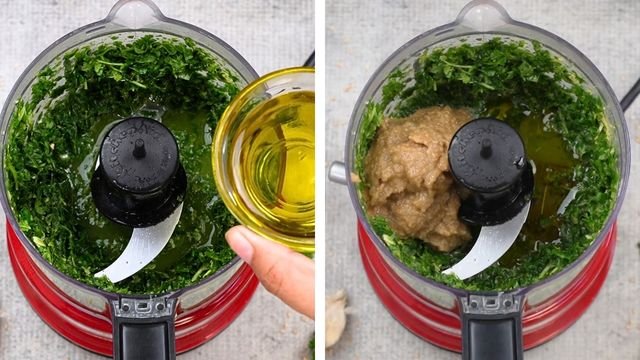
Add the olive oil and tahini paste. Pulse until the mixture is well combined and the herbs are evenly mixed through the tahini.
Add 2 tablespoons of cold water and blend for about 1 minute. The dressing should turn creamy and smooth. If it looks too thick, add more cold water a little at a time until you reach the texture you want.
3. Check the Seasoning
Taste the dressing and add more salt if needed. I check the seasoning at this point because the lemon and tahini can vary in flavor from one batch to another.
4. Serve or Refrigerate For Later Use
Serve the dressing right away, or transfer it to an airtight container. If it thickens while chilled, stir it well before serving and adjust the texture with a little water if needed.
My Kitchen Notes for a Better CAVA-Style Dressing
- Let the dressing coat the greens: Toss gently instead of adding a large amount at once. You can always add more as needed.
- Use a wide bowl for tossing: More room makes it easier to coat the vegetables evenly without crushing delicate greens.
- Keep some dressing on the side: This works well when serving different salads or when you prefer extra dressing with your meal.
- Use a squeeze bottle for bowls: A squeeze bottle makes it easier to add thin lines of dressing over grain bowls, vegetables, or wraps.
What to Serve With CAVA Tahini Caesar Dressing
This dressing works well with many meals and can also be served as a dip. Keep it a little thicker for dipping, or thin it slightly when using it as a drizzle. It adds a fresh, creamy finish without needing much.
1. Grilled Chicken Salad: Drizzle it over grilled chicken and crisp greens for an easy lunch.
2. Roasted Vegetables: Spoon it over warm roasted broccoli, carrots, or cauliflower for a creamy, tangy finish.
3. Grain Bowls: Add a spoonful to rice or quinoa bowls for extra moisture and flavor.
4. Fresh Veggie Dip: Serve it with carrots, cucumbers, and bell peppers for a simple snack.
How to Fix Common Tahini Caesar Dressing Problems
Following the steps in order helps a lot, but tahini dressings can still change based on the tahini, lemon, and amount of water used. These quick fixes can help when the texture or flavor is not quite right.
1. Dressing Too Thick or Grainy
A thick dressing usually needs more liquid, while a grainy texture may come from tahini that has not fully mixed with the other ingredients. Start by adding cold water one tablespoon at a time and blend after each addition.
Scrape the sides of the processor so the tahini does not stay around the edges. Keep blending until the dressing looks creamy.
2. Dressing Separated
Separation can happen when the ingredients are not fully blended or when the dressing sits for a while. Give it a good stir first. If the texture still looks uneven, blend it again briefly.
A small splash of cold water can help loosen a thick mixture and bring the dressing back to a smoother texture.
3. Tastes Too Salty or Sour
When the dressing tastes too salty, avoid adding more salt and focus on adjusting the texture first. If the lemon tastes too sharp, add a little more tahini or cold water, then blend again.
Taste and adjust as needed. Adding a little water can soften the overall flavor while also making the dressing easier to pour. Taste again before making another change.
Storage, Make-Ahead & Meal Prep
Storage: Transfer leftover dressing to an airtight container and keep it in the refrigerator. The supplied recipe gives a storage time of 5 to 7 days. Stir it before serving, especially if the texture has changed while chilled.
Make-Ahead: This dressing can be made ahead and kept chilled until you need it. Making it earlier can also save time when preparing salads or bowls. Keep it sealed in the refrigerator and stir before serving.
Meal Prep: For meal prep, keep the dressing in a small airtight container instead of mixing it into the salad ahead of time. Add it when you are ready to eat so the greens and vegetables stay fresh and crisp.
Signs It Has Gone Bad: Do not use the dressing if it develops an unusual smell, mold, or a clearly changed appearance that does not improve after stirring. When in doubt, it is safer to discard it rather than taste questionable food.
CAVA Tahini Caesar Dressing Recipe (Easy Copycat) FAQs
1. Can I use this as a dip instead of a salad dressing?
Yes. Keep the dressing on the thicker side by starting with the lower amount of cold water. The creamy tahini texture makes it easy to spoon or use as a dip with fresh vegetables.
2. Can I make the dressing more lemony?
The recipe already uses both fresh lemon juice and lemon zest, so the lemon flavor comes from two parts of the lemon.
If you want a stronger lemon taste, start by making the recipe as written and taste it before changing anything. Keeping the balance with tahini is important because too much sharp lemon flavor can take over the herbs.
3. Why should I scrape the sides of the food processor?
Fresh herbs can stick to the sides of a small food processor instead of reaching the blades. Scraping the bowl a few times helps the herbs and garlic get chopped more evenly.
It also keeps bits of tahini or herbs from sitting around the edge when you move to the blending stage.
4. Can I make this dressing without a food processor?
Yes, you can. A blender works well and gives you a smoother texture. If you do not have either, chop the herbs and garlic very finely by hand, then whisk everything together in a bowl.
It takes longer and the texture will be a bit chunkier, but the flavor is still great. Just keep whisking as you add the water.
5. Can I use this dressing on warm dishes?
Absolutely. It works great on roasted vegetables, grilled chicken, and warm grain bowls. Just keep in mind that heat can make the dressing thin out a bit.
If you are drizzling it over something hot, you may want to keep it a little thicker when you make it. The flavor still holds up well.
CAVA Tahini Caesar Dressing Recipe
Ingredients
Equipment
Method
- Add the garlic, parsley, basil, cilantro, salt, lemon juice, and lemon zest to a mini food processor. Pulse until roughly chopped, scraping the sides as needed. For a smoother dressing, use a blender instead.
- Add the olive oil and tahini. Pulse until combined. Add 2 tablespoons of cold water and blend until creamy. Add more water as needed for your preferred consistency.
- Taste and add more salt if needed. Lemon and tahini can vary in flavor, so adjust to taste.
- Serve right away or transfer to an airtight container. If chilled, stir well and add a little water if needed to loosen the dressing.