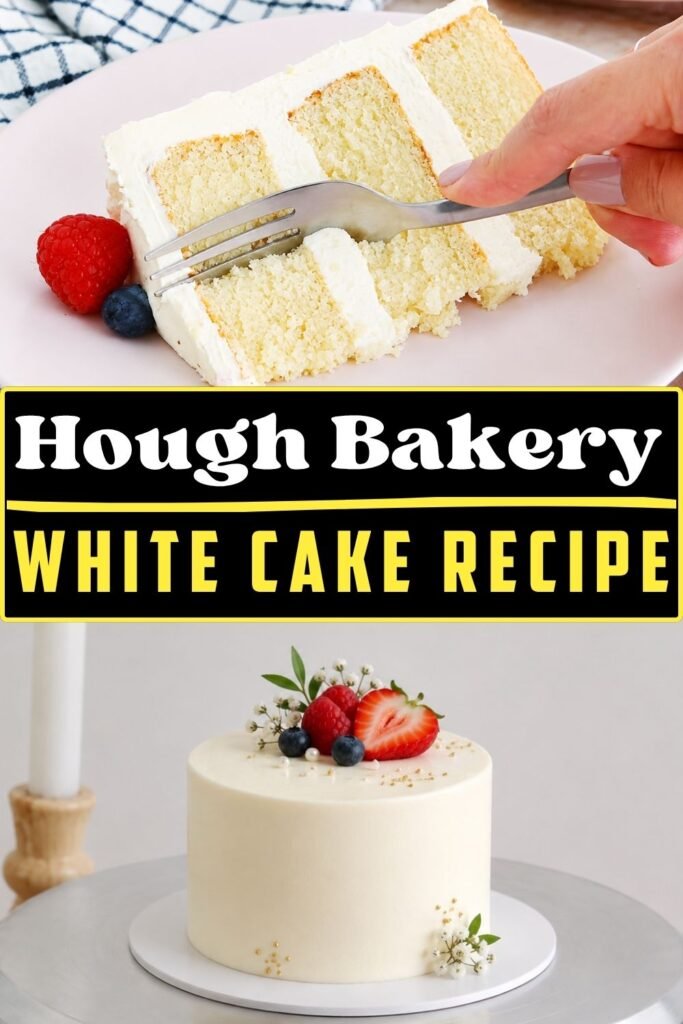
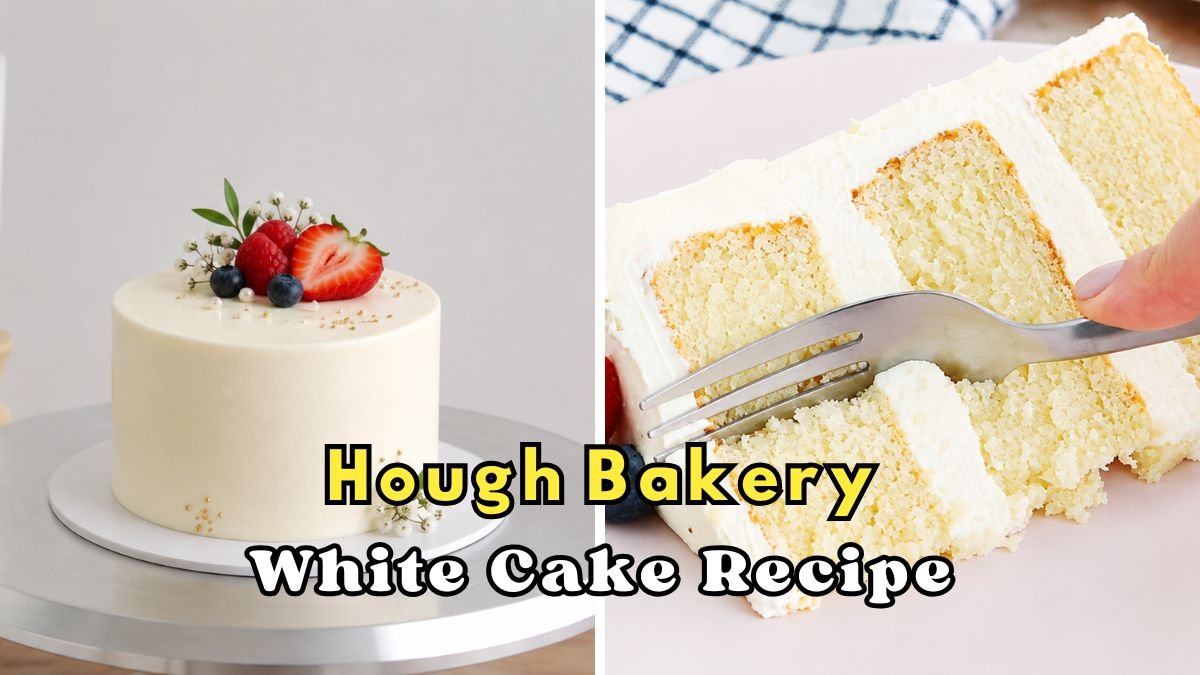
Hough Bakery white cake is more than an old-fashioned dessert to me. It brings back the birthday parties and sweet little moments that made childhood feel special. I remember how a Hough Bakery cake always seemed to belong in the middle of the celebration. The soft white cake, smooth frosting, and light almond-vanilla flavor made every slice memorable.
Those simple cakes created memories that still feel close today. That is what inspired me to make this Hough Bakery white cake recipe at home.
The Cake You’re Actually Trying to Recreate
Hough Bakery was known for homemade cakes and classic pastries, and its White Cake became a popular favorite.
The original Hough Bakeries chain closed in 1992, but the cake is still sold today by Archie’s Hough Bakeries.
This white cake was a favorite – simple, elegant, and perfect for birthdays and family parties. For many of us, Hough Bakery white cake brings back memories of childhood and family traditions.
For this recipe, I’m focusing on the soft white cake, light vanilla flavor, and tender texture that made this bakery cake so popular.
What Ingredients Are Needed for Hough Bakery White Cake
Before measuring everything, I like to set the butter, egg whites, and buttermilk out so they can lose their chill. That small step helps the batter come together smoothly and keeps the mixing process simple.
- Sifted Cake Flour – 2½ cups (265g) – Sifting removes lumps and adds air, which helps give the cake a soft, light crumb. I weigh the flour after sifting because packed flour can add too much to the batter and make the cake heavy.
- Baking Powder – 2 teaspoons – Baking powder helps the batter rise as it bakes. The right amount gives the cake a light texture without making the layers too heavy or flat.
- Baking Soda – ½ teaspoon – Baking soda works with the buttermilk to help the cake rise and stay tender. Since only a small amount is needed, I keep this measurement exact.
- Salt – ½ teaspoon – Salt balances the sweetness and helps bring out the vanilla flavor. Without it, the cake can taste too sweet and the flavor may seem a little flat.
- Granulated Sugar – 1½ cups (300g) – Sugar adds sweetness and also helps create a light texture when creamed with butter. I use the full amount so the cake has the right balance of sweetness and softness.
- Unsalted Butter – ½ cup (113g), room temperature – Soft butter blends smoothly with the sugar and helps create a fluffy batter. I let mine come to room temperature before mixing so it creams evenly without leaving cold pieces behind.
- Egg Whites – 4 large, room temperature – Egg whites help keep the cake light and pale. Using room-temperature whites also makes them easier to mix into the batter without leaving streaks or uneven spots.
- Vegetable Oil – ½ cup (120ml) – Oil adds extra moisture and helps keep the cake soft after baking. It works well with the butter, giving the cake a tender crumb that does not dry out too quickly.
- Pure Vanilla Extract – 1 tablespoon – Vanilla gives the cake its classic bakery flavor. I prefer pure vanilla extract here because the flavor is easy to notice in a simple white cake.
- Full-Fat Buttermilk – 1¼ cups (300ml) – Buttermilk adds moisture and a mild tang while helping create a tender crumb. Full-fat buttermilk also gives the batter a smooth texture and works with the baking soda during baking.
Substitutions and Swap Ideas
- No Cake Flour on Hand – You can make a simple cake flour substitute with all-purpose flour and cornstarch. For each cup of cake flour needed, measure 1 cup of all-purpose flour, remove 2 tablespoons, and replace them with 2 tablespoons of cornstarch. Sift the flour and cornstarch together several times, then weigh the final mixture before adding it to the recipe.
- No Buttermilk on Hand – Stir 4 teaspoons of white vinegar or lemon juice into 1¼ cups of whole milk. Let it sit at room temperature until it looks slightly curdled. Give it a gentle stir before adding it to the batter.
- Salted Butter Instead of Unsalted – Salted butter can work when that is what you have available. Since the butter already contains salt, leave out the ½ teaspoon of added salt from the dry ingredients to keep the flavor balanced.
- Vegetable Oil Swap – Melted, cooled coconut oil or a neutral oil such as canola oil can replace the vegetable oil in the same ½-cup (120ml) amount. Make sure melted coconut oil has cooled before adding it to the batter.
How To Make Hough Bakery White Cake Recipe at Home
1. Prepare Your Pans
Preheat your oven to 350°F (177°C). Spray the sides of three 6-inch pans, two 8-inch pans, or two 9-inch pans with baking spray. Place a round piece of parchment paper on the bottom of each pan.
2. Mix the Dry Ingredients
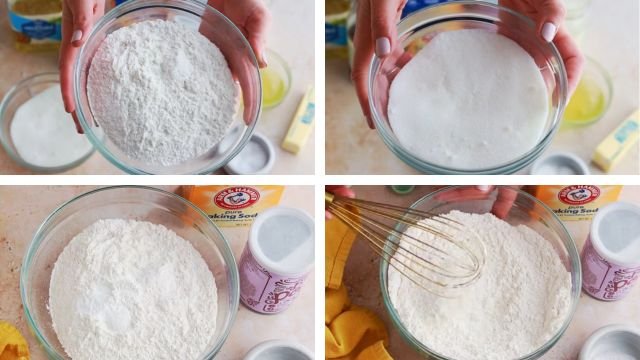
In a medium bowl, whisk together the sifted cake flour, baking powder, baking soda, and salt. Make sure everything is evenly mixed, then set the bowl aside.
I like doing this first because it makes the dry ingredients easier to add later.
3. Cream the Butter and Sugar
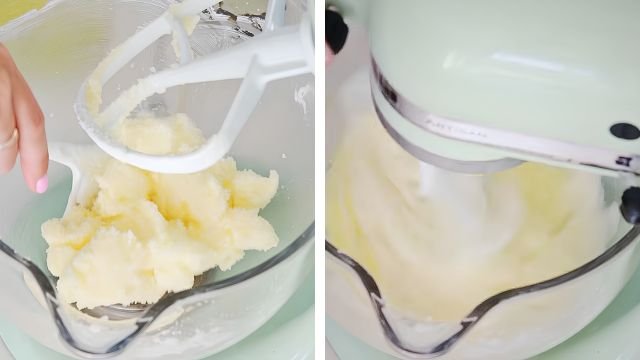
Add the room-temperature butter to a stand mixer fitted with the paddle attachment. Beat on high speed for about 2 minutes, until the butter looks smooth and creamy.
Add the granulated sugar and beat on medium-high speed for about 2 more minutes, until the mixture looks light and fluffy. Scrape the bowl and paddle halfway through so the butter and sugar mix evenly.
4. Add the Egg Whites, Oil, and Vanilla
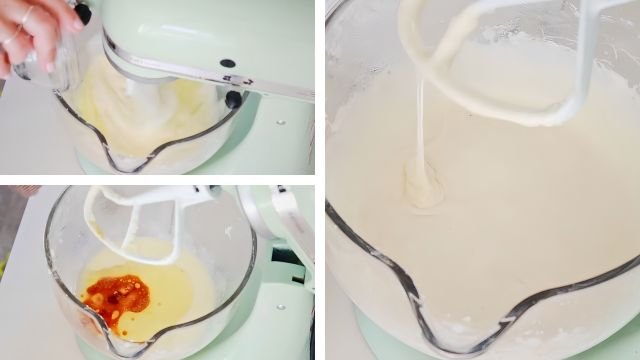
Lower the mixer speed and add the egg whites one at a time. Let each one mix in before adding the next. Scrape the sides of the bowl as needed.
Once all four egg whites are mixed in, add the vegetable oil and vanilla extract. Increase the mixer to high speed and beat for 1 minute. This helps add some air to the mixture and gives the cake a light texture.
5. Combine the Dry Ingredients and Buttermilk
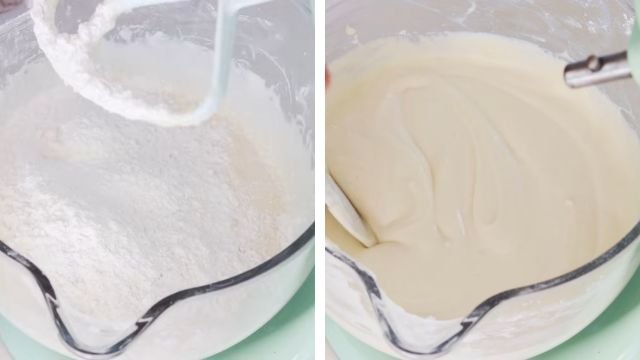
Turn the mixer off and add the dry ingredients. Turn the mixer to low and mix briefly, just until the flour starts to blend into the wet mixture. Slowly pour in the buttermilk while mixing on low.
Continue mixing only until the batter is smooth and evenly combined, about 30 seconds. Stop mixing as soon as the flour disappears to avoid overmixing.
6. Bake the Layers
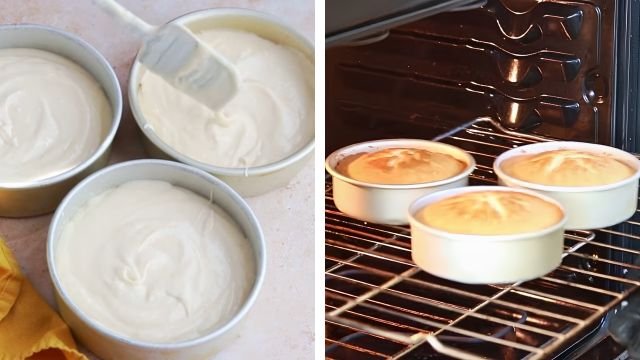
Divide the batter evenly between the prepared pans. Gently smooth the tops so the batter is spread evenly.
Bake at 350°F (177°C). Bake 6-inch layers for about 25 to 28 minutes, and 8- or 9-inch layers for about 28 to 32 minutes.
The cakes are ready when the tops spring back lightly when touched and a toothpick inserted into the center comes out clean or with a few moist crumbs.
7. Cool Completely
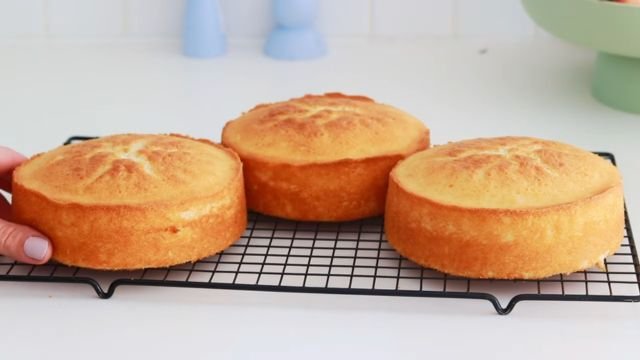
Carefully remove the cakes from the pans and place them on a wire rack. Let the layers cool completely before frosting.
I always wait until they are fully cool because warm cake can make the frosting soft and harder to spread.
8. Level and Stack the Cake Layers
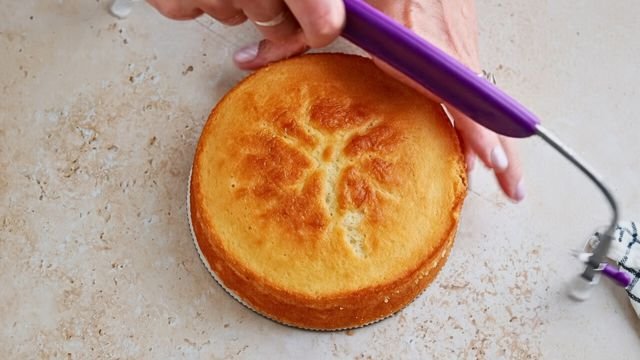
Once the layers are cool, gently trim any domed tops with a serrated knife so each layer is flat.
Place the first layer on a cake plate and spread an even layer of frosting on top. Add the next cake layer and repeat with the remaining layer.
9. Frost and Get the Cake Ready to Serve
Cover the top and sides with the remaining frosting, spreading it evenly with a spatula.
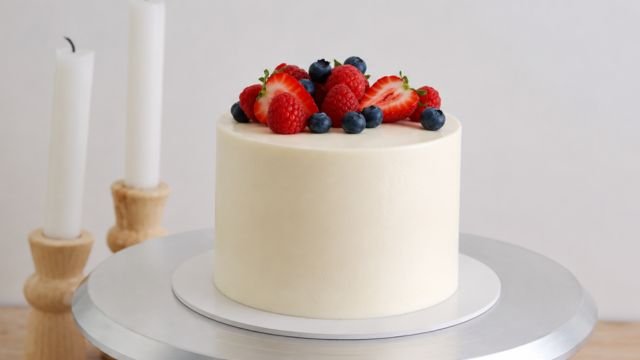
Add simple decorations such as fresh berries, sprinkles, or a smooth layer of vanilla frosting. The finished cake is now ready to slice and serve.
Kitchen Tips I Follow for a Soft, Fluffy Cake
Sift the Flour: Sifting breaks up lumps and helps keep the flour light. I always sift the cake flour before measuring it so the texture stays soft.
Scrape the Bowl: Stop the mixer and scrape the sides and paddle as needed. This helps make sure the butter, egg whites, and other ingredients are mixed evenly.
Keep the Oven Closed: Try not to open the oven while the cake is baking. I wait until around 28 minutes before checking for doneness.
Level the Layers: Use a serrated knife or cake leveler to gently remove any domed tops. Flat layers are much easier to stack and frost.
Scale the Cake Without Losing Its Soft Crumb
This batter is easy to adjust once you understand how the pan size changes the timing and texture.
Cupcakes: Fill liners about two-thirds full and portion the batter evenly with a scoop for consistent sizing. Reduce the bake time to around 18 to 20 minutes, checking early since cupcakes bake faster than full layers.
2-Layer Cake: Divide the batter evenly between two matching 8-inch or 9-inch pans. Weighing each pan of batter on a scale keeps both layers the same height, so your finished cake sits level without extra trimming.
3-Layer Cake: Split the batter carefully across three 6-inch pans so each layer stays light instead of dense. Start checking the layers around 25 minutes and bake until the centers spring back lightly when touched.
Sheet Cake: Match your batter amount to the pan size, since too little batter bakes a thin, dry cake and too much can leave the center underdone. A 9×13 pan usually needs close to the full recipe amount.
Large Celebration or Wedding Cake: Scale your ingredients by weight rather than by cups for accuracy, and bake tiers in separate batches if your oven cannot fit them all at once evenly.
Fix the White Cake Problems Most People Face
A few small baking issues can change the final cake. I pay close attention to the batter texture and baking signs because they usually give clues about what went wrong.
- The Cake Came Out Dry – A dry cake often means it baked too long or too much flour was used. I measure the flour by weight and start checking the cake at the lower end of the recommended baking time so it does not stay in the oven longer than needed.
- Cake Sank in the Middle – An underbaked center can sink as the cake cools. I let the cake bake for the full 28 to 32 minutes and check the center with a toothpick before taking it out.
- The Cake Isn’t as White as Expected – Egg yolks can give the cake a yellow color. Using only egg whites helps keep the crumb pale. A light-colored vanilla can also help when you want a whiter cake.
- Cake Stuck to the Pan – I spray the sides of the pan with baking spray and place parchment on the bottom. This makes removing the cooled cake much easier and helps protect the soft edges.
- The Frosting Pulled Crumbs From the Cake – Warm cake can cause crumbs to mix into the frosting. Let the layers cool completely before decorating. A thin first layer of frosting can also help hold loose crumbs in place.
Serving Ideas For This Recipe
When I serve this cake, I keep the toppings simple so the soft white crumb remains the main focus. Vanilla frosting and fresh berries are an easy choice, but there are many other of ways to change the look and flavor.
1. Vanilla Buttercream – A smooth vanilla buttercream keeps the classic bakery feel. Spread a thin layer between the cake layers, then cover the top and sides. Fresh berries on top add a simple finish without making the cake feel heavy.
2. Fresh Berries – Strawberries, blueberries, or raspberries pair nicely with the gentle vanilla flavor. I like adding them just before serving so they stay fresh and keep their shape.
3. Berry and Cream – Serve each slice with a spoonful of whipped cream and fresh berries. The cool cream and fruit add a fresh contrast to the tender cake.
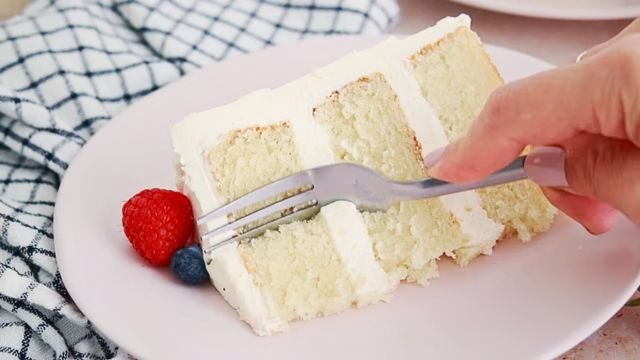
4. Simple Vanilla Slice – Sometimes a slice with plain vanilla frosting is all I need. The soft crumb and mild vanilla flavor make a simple serving feel complete without lots of decoration.
Store the Cake Today, Enjoy It Later
I like to keep this cake covered well after it cools so the soft crumb stays moist. At room temperature, keep it covered and enjoy it within 1–2 days. Refrigerate it for up to 4 days in a sealed container.
For even longer storage, freeze unfrosted or frosted layers for up to 2 months, wrapped tightly. Thaw the cake while wrapped in the refrigerator overnight or at room temperature for a few hours.
Keeping it covered during thawing helps prevent moisture loss and keeps the cake soft.
Hough Bakery White Cake Recipe FAQs
I get lots of questions about this cake, and these are the ones I answer most often. They cover the most common concerns and adjustments people want to make.
1. How do I know the cake is ready without cutting it open?
Gently press the center with a fingertip. A properly baked cake should spring back rather than leave a deep dent. A toothpick inserted into the center should also come out clean or with a few moist crumbs.
2. Can I add food coloring to make the cake brighter white?
You can add a tiny drop of white food coloring or a bit of violet food coloring to neutralize any yellow tones in the batter. Just be careful not to add too much, as it can affect the flavor. Most of the time, using only egg whites and pure vanilla extract keeps the cake light enough without needing extra coloring. It’s a personal choice based on how white you want the final cake.
3. Can I add almond extract to this recipe?
Almond extract adds that traditional bakery flavor many people remember. Start with half a teaspoon and reduce the vanilla slightly. Too much almond extract tastes artificial, so go easy on it.
4. Why does the batter look thin before baking?
This batter runs thinner than typical cake batters because of the buttermilk and oil ratio. That thinness actually helps create a lighter, more tender crumb once baked. Trust the process.
5. What if I do not have a stand mixer?
A hand mixer works just fine for this recipe. Just make sure to beat the butter and sugar long enough and scrape down the bowl often to get everything mixed well.
6. How full should I fill the cake pans?
Fill each pan about two-thirds full. Any more and the batter might overflow during baking. Any less and you get flat, thin layers that do not stack well.
Hough Bakery White Cake Recipe
Ingredients
Equipment
Method
- Prepare Your Pans – Preheat the oven to 350°F (177°C). Spray three 6-inch, two 8-inch, or two 9-inch pans with baking spray. Line the bottoms with parchment paper.
- Mix the Dry Ingredients – In a medium bowl, whisk together 2¼ cups sifted cake flour, 2 teaspoons baking powder, ½ teaspoon baking soda, and ½ teaspoon salt. Set aside.
- Cream the Butter and Sugar – Beat ½ cup room-temperature unsalted butter on high for 2 minutes until smooth. Add 1½ cups granulated sugar and beat on medium-high for 2 minutes until light and fluffy. Scrape the bowl as needed.
- Add the Egg Whites, Oil, and Vanilla – Add 4 large egg whites one at a time, mixing after each addition. Add ¼ cup vegetable oil and 2 teaspoons vanilla extract, then beat on high for 1 minute.
- Combine the Dry Ingredients and Buttermilk – Add the dry ingredients and mix on low. Slowly pour in 1 cup buttermilk and mix for about 30 seconds, just until the batter is smooth. Do not overmix.
- Bake the Layers – Divide the batter evenly between the prepared pans and smooth the tops. Bake at 350°F (177°C) for 25–28 minutes for 6-inch layers or 28–32 minutes for 8- or 9-inch layers. A toothpick should come out clean or with a few moist crumbs.
- Cool Completely – Remove the cakes from the pans and place them on a wire rack. Let them cool completely before frosting.
- Level and Stack the Cake Layers – Trim any domed tops with a serrated knife. Place one layer on a cake plate, spread with frosting, then add the next layer. Repeat with the remaining layers.
- Frost and Serve – Cover the top and sides with the remaining frosting and smooth with a spatula. Add berries, sprinkles, or simple vanilla frosting decorations before serving.